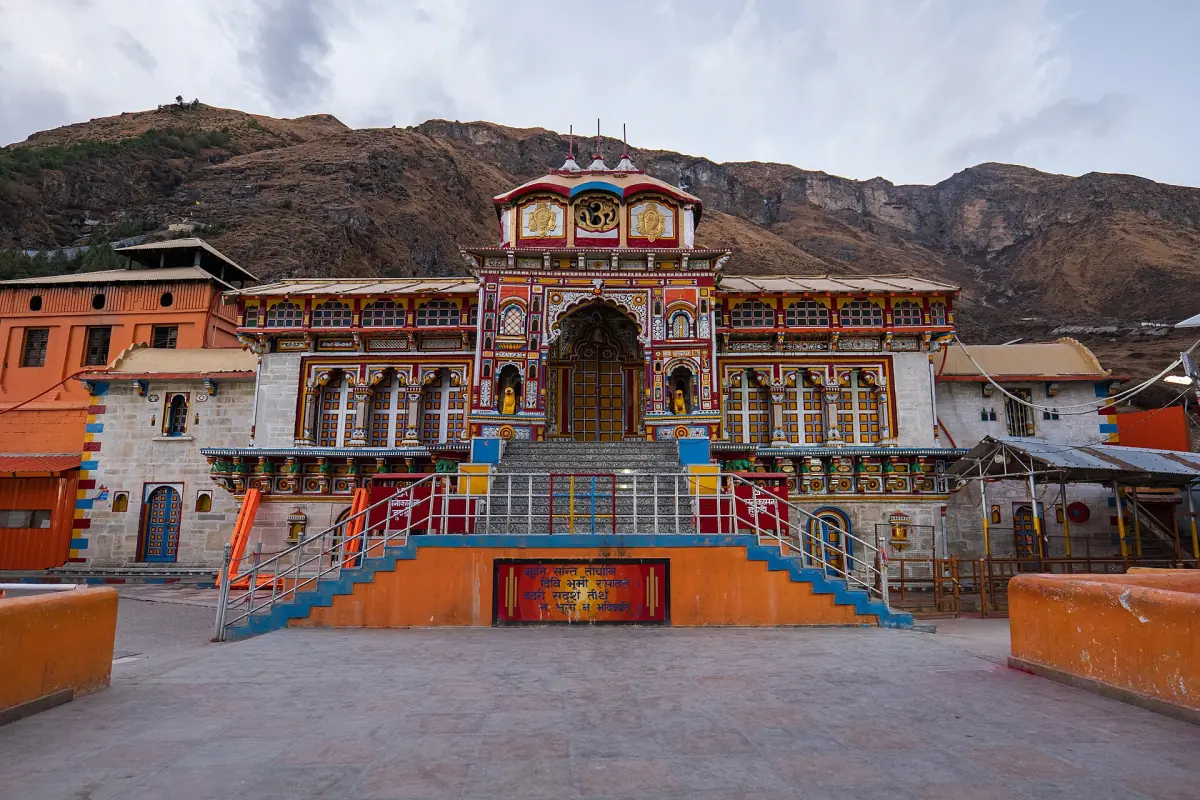
The four shrines of the Char Dham Yatra
The Char Dham Yatra in Uttarakhand is a pilgrimage to four Himalayan shrines: Yamunotri, Gangotri, Kedarnath and Badrinath. The traditional order runs from west to east, starting at Yamunotri and ending at Badrinath. It is a tradition, not a rule laid down by the authorities, so you can plan the stops in another order if the roads or the dates require it.
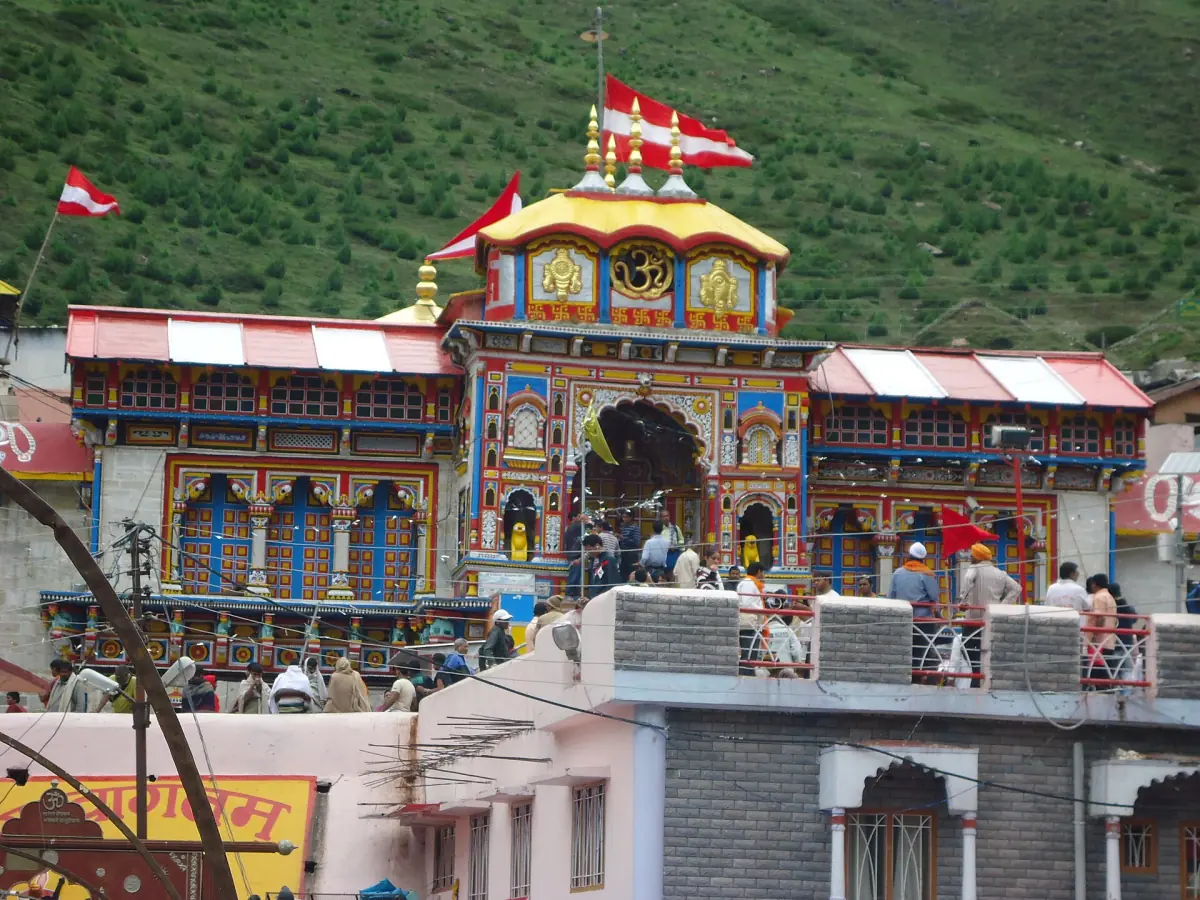
Badrinath is the Vishnu shrine of the four and the usual last stop. The temple is not open all year. Every year the committee sets new opening and closing dates, and in 2026 the doors opened on 23 April. Road conditions, registration and altitude matter as much as the dates.
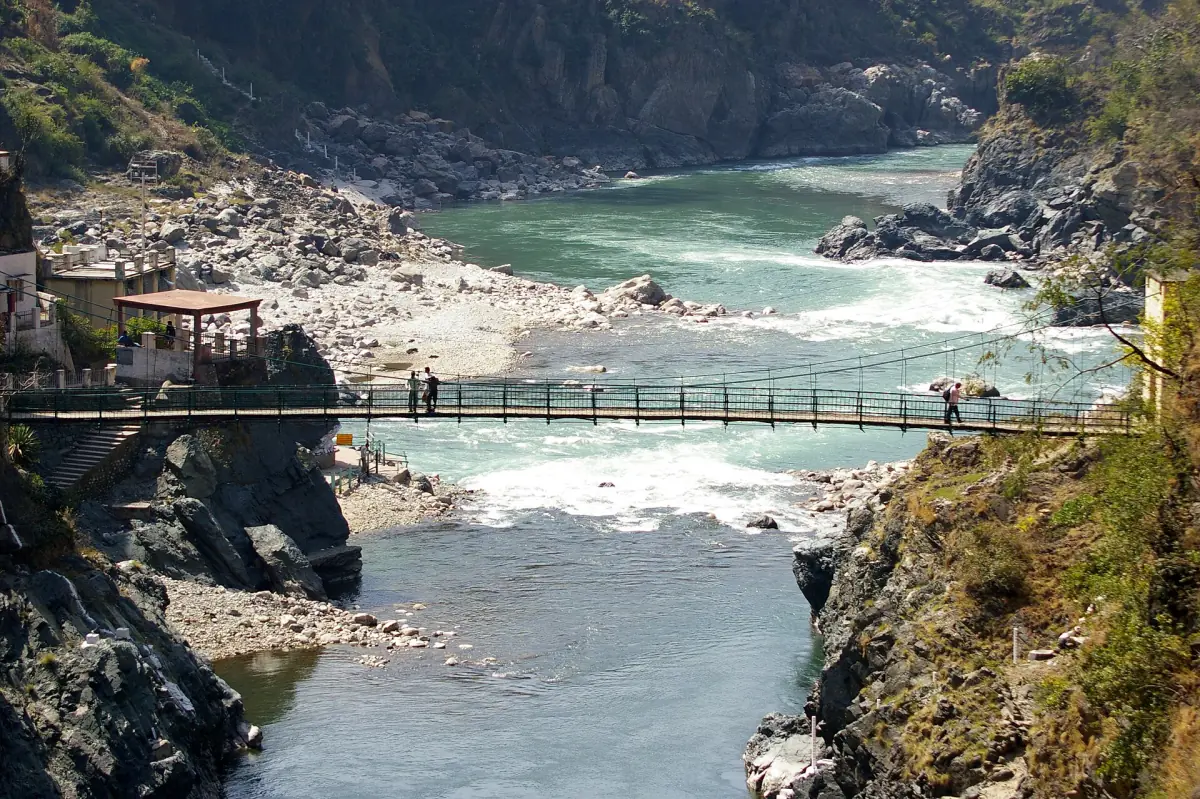
Our picks: Char Dham Yatra tours
Both tours cover Yamunotri, Gangotri, Kedarnath and Badrinath. Choose the 10-day tour if you want one private car and guide throughout, and the 9-day tour if you prefer fixed stays and local guides at each Dham.
Hand-picked tours, booked through GetYourGuide. Prices are indicative starting prices in US dollars (as of October 2026). Tap a tour for live availability and the current price in your currency.
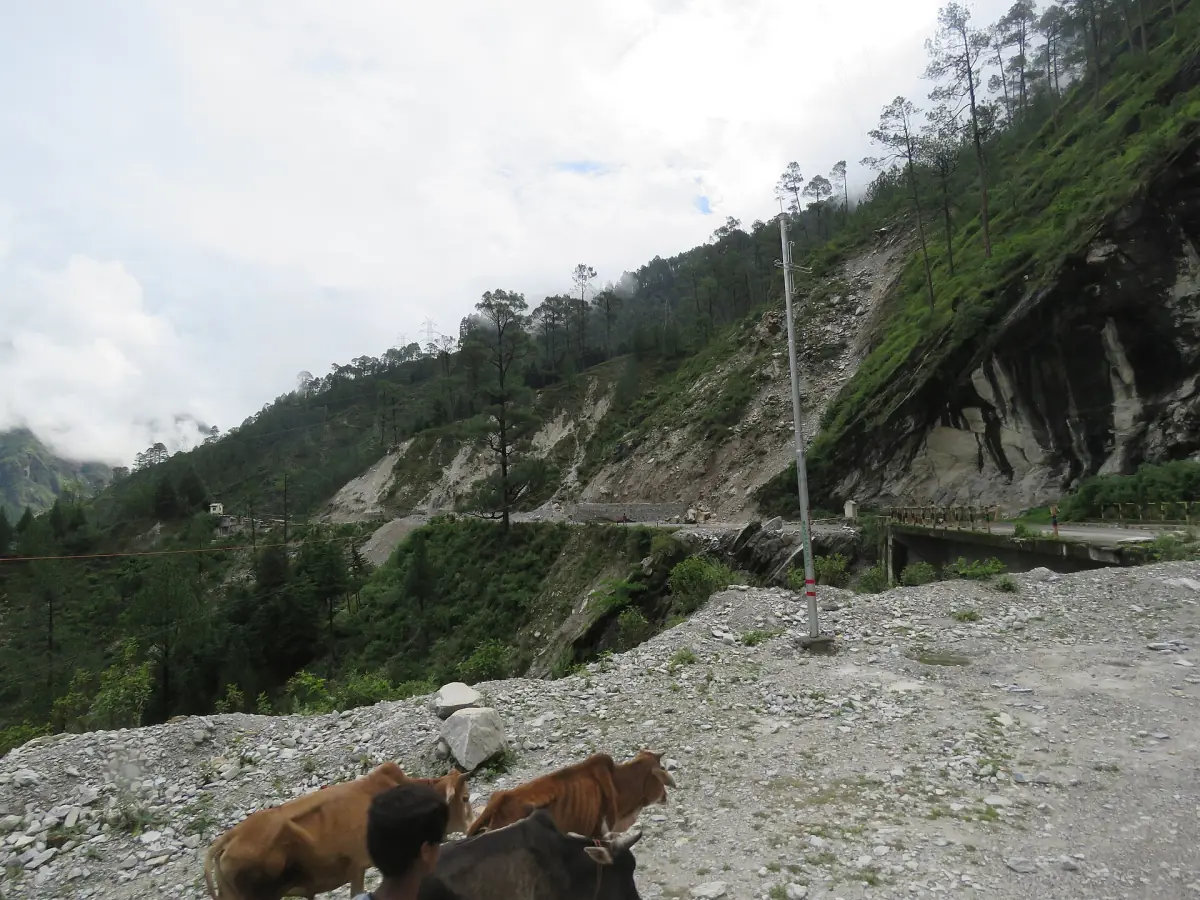
10-day Char Dham Yatra by private car
- Yamunotri to Badrinath route
- Private car transport
- English or Hindi guide
Ten days through all four Dhams, with the Badrinath temple on day 9. Ask whether registration and entry fees are included before you book.
Check availability →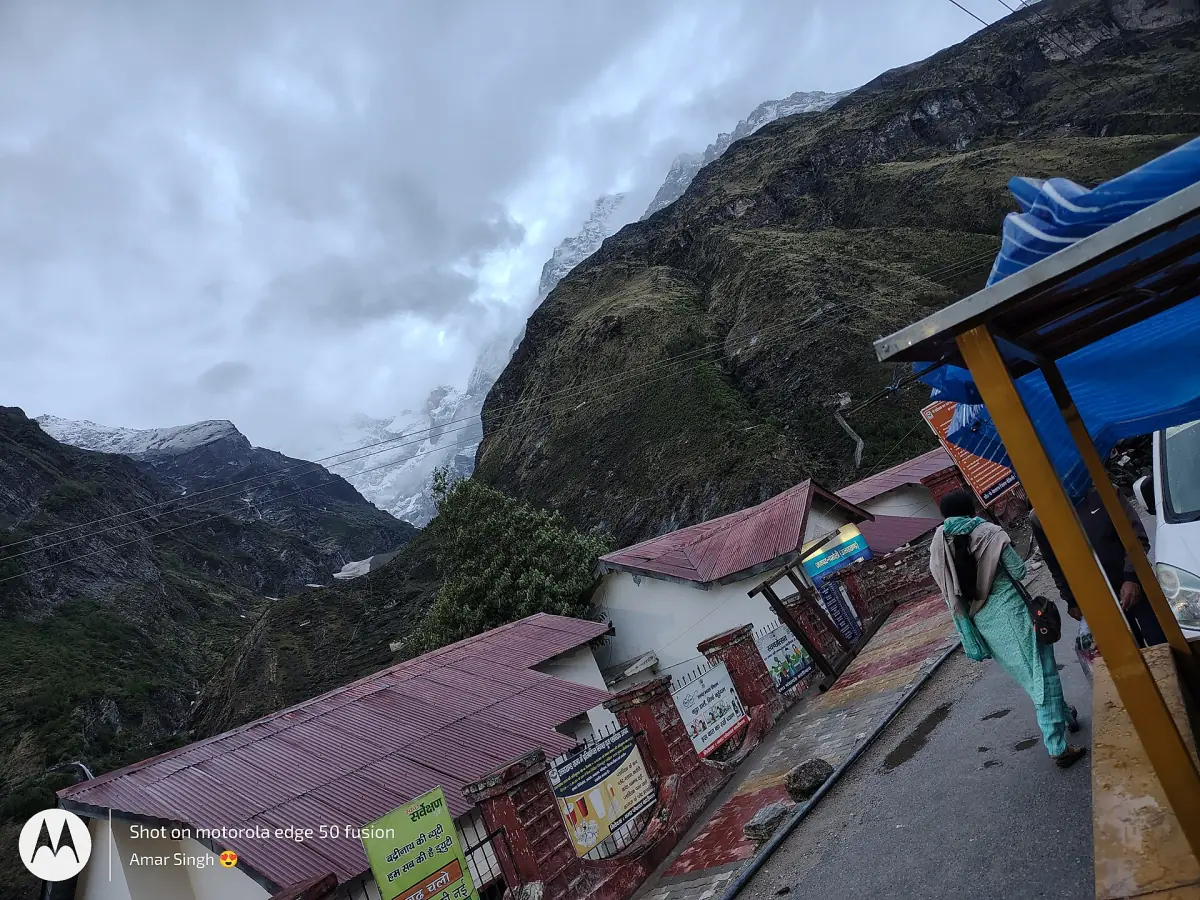
9-day Char Dham tour from Delhi
- 8 nights in hotels or camps
- Local guides at all four Dhams
- Temple entries
Sold as a winter yatra, with breakfast and dinner included. The Kedarnath helicopter, porter, pony and doli cost extra, and you should check that your dates fall within the temple season before you book.
Check availability →Char Dham Yatra tours
Multi-day yatra tours and Badrinath day trips with live prices and availability.
Route and order of the Char Dham
The shrines lie in separate valleys, so the road between them is long.
1. Yamunotri
The first stop on the traditional route, in the west of the circuit.
2. Gangotri
The second stop, in the next valley.
3. Kedarnath
A Shiva shrine. This site covers Kedarnath only as part of the route. The helicopter shuttle for Kedarnath is booked only on the IRCTC HeliYatra portal.
4. Badrinath
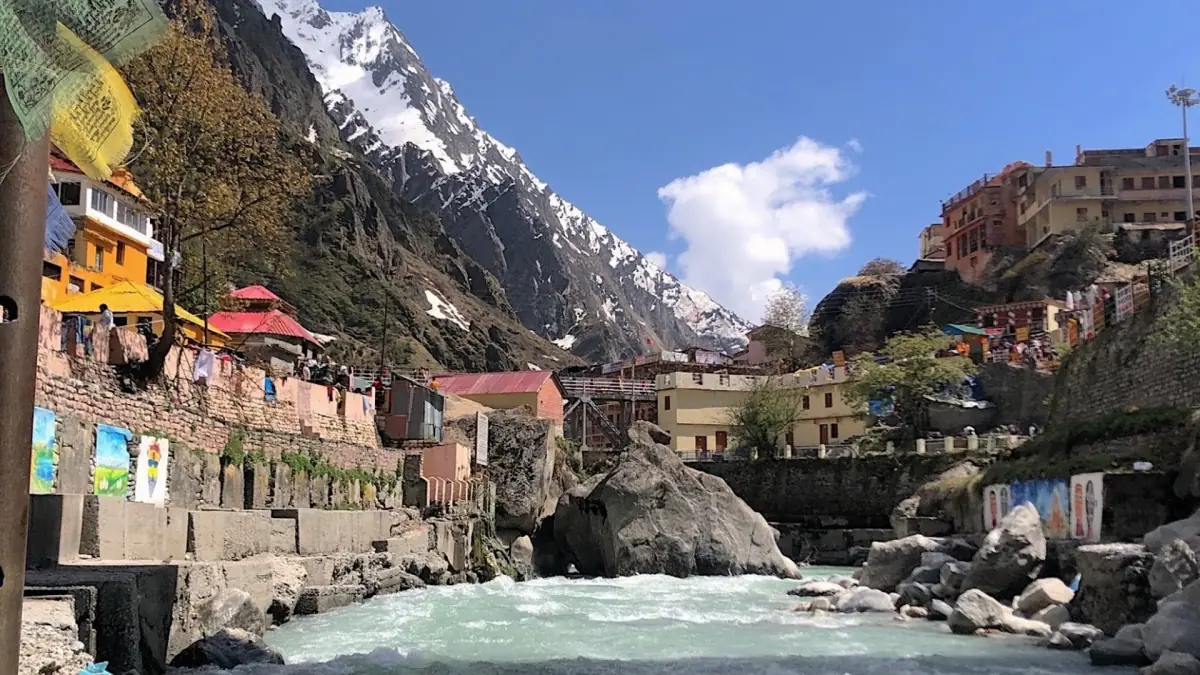
A Vishnu shrine on the Alaknanda, at around 3,100 m. From Rishikesh the road is about 300 km and takes 10 to 12 hours.
Getting to Badrinath →Many people choose the shorter Do Dham version with Kedarnath and Badrinath only. For packages and what a price should include, see the Badrinath tours and Char Dham packages page.
Season, dates and crowds
The yatra follows the dates of the shrines.
Opening and closing
Badrinath opened on 23 April 2026. The winter closing is announced for 16 November 2026. Dates change each year, so check them before you book.
Opening and closing dates →Visitor numbers
The Char Dham drew about 5.1 million visits in 2025. Badrinath alone recorded roughly 1.7 to 1.8 million visits. These are counts of visits, not of different people.
Weather pauses
The yatra can stop at short notice. In late September 2026 it was paused for two days after heavy rain alerts, and Hemkund Sahib and trekking were affected as well. Keep a spare day.
Weather and best time →Night driving
An order for the Char Dham routes bars travel and goods traffic between 22:00 and 04:00. Plan your days so that you arrive before dark.
Registration, health and access
Three things to settle before you leave.
Register before you go
The official Tourist Care portal asks travelers and vehicles to register before the Char Dham and Hemkund Sahib, with checks at the shrines. For travelers it costs 0 INR.
Registration steps →Altitude
Badrinath lies at around 3,100 m. Above 2,500 m the health advice is to gain about 300 to 500 m of sleeping altitude per day and to allow extra time to adapt. Ask a doctor before you travel. Headache, dizziness, nausea and breathlessness are signs to take seriously. The state emergency operation centre can be reached at 1070 and 0135-2710334.
Entry rules
New rules apply in 2026 for who may enter the temple if they are not followers of Hinduism; how they will be applied is still open. If you are not a Hindu, find out before you travel whether and how you can enter the temple.
On the road
Carry a valid ID, warm clothing and your own prescribed medicines. Alcohol and tobacco are not allowed, and you should take your litter with you.
Badrinath and Kedarnath compared
The two shrines most visitors pair for a shorter yatra.
| Point | Badrinath | Kedarnath |
|---|---|---|
| Deity | Vishnu | Shiva |
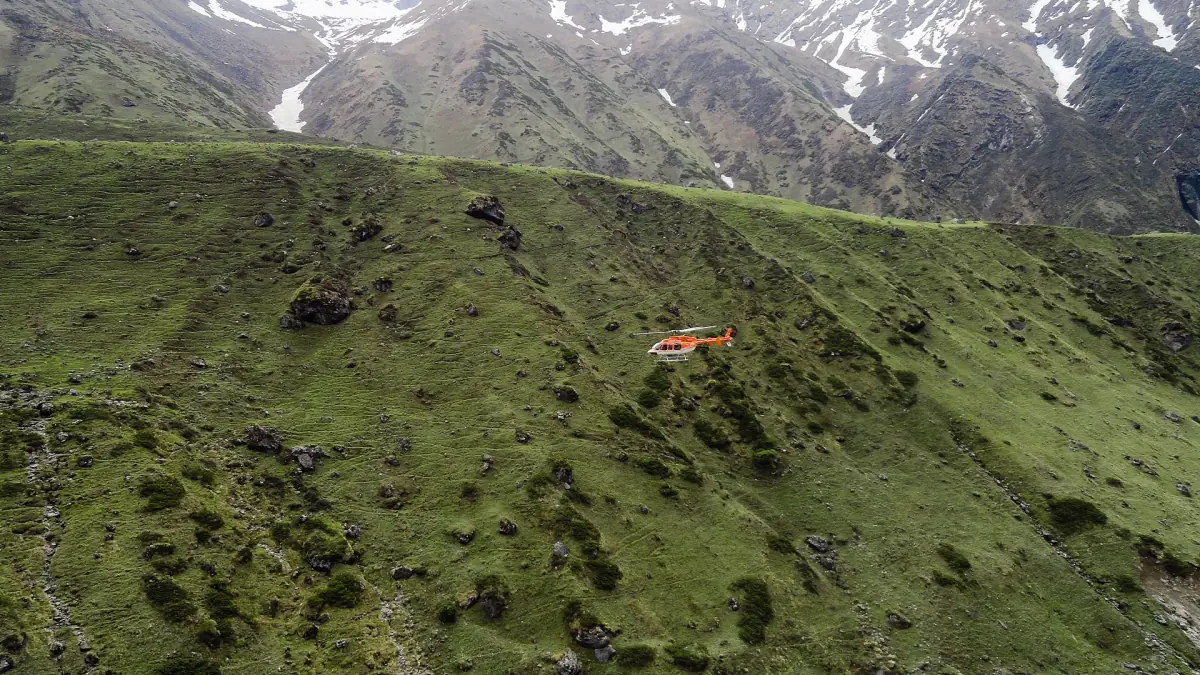
| Helicopter | Charter flights from Dehradun | Shuttle booked only on the IRCTC HeliYatra portal |
| Winter | Closed; Uddhav and Kuber are worshipped in Pandukeshwar | Closed in winter |
| Coverage here | Full guide with its own pages | A short section only |
For most travelers who want one shrine and some Himalaya scenery, Badrinath with Mana village is the simpler base. Those who want both shrines should plan the long drive between the two valleys.
Char Dham Yatra: frequently asked questions
Which four places make up the Char Dham?
Yamunotri, Gangotri, Kedarnath and Badrinath in Uttarakhand. The traditional order runs from west to east, ending at Badrinath.
Do I have to visit the shrines in a fixed order?
No. The west to east order is a tradition. There is no fixed rule from the authorities, so road and date conditions can decide the order.
What is the difference between Char Dham and Do Dham?
Do Dham means any two of the four shrines. The common choice is Kedarnath and Badrinath.
How long does a Char Dham Yatra take?
It depends on the route and the transport. The shrines lie in separate valleys with long drives between them, so plan a multi-day trip with spare days for weather.
Is Badrinath open in winter?
No. The doors close for the winter. In 2026 the closing is announced for 16 November, and during the winter Uddhav and Kuber are worshipped at Yogdhyan Badri in Pandukeshwar.