Badrinath weather at a glance
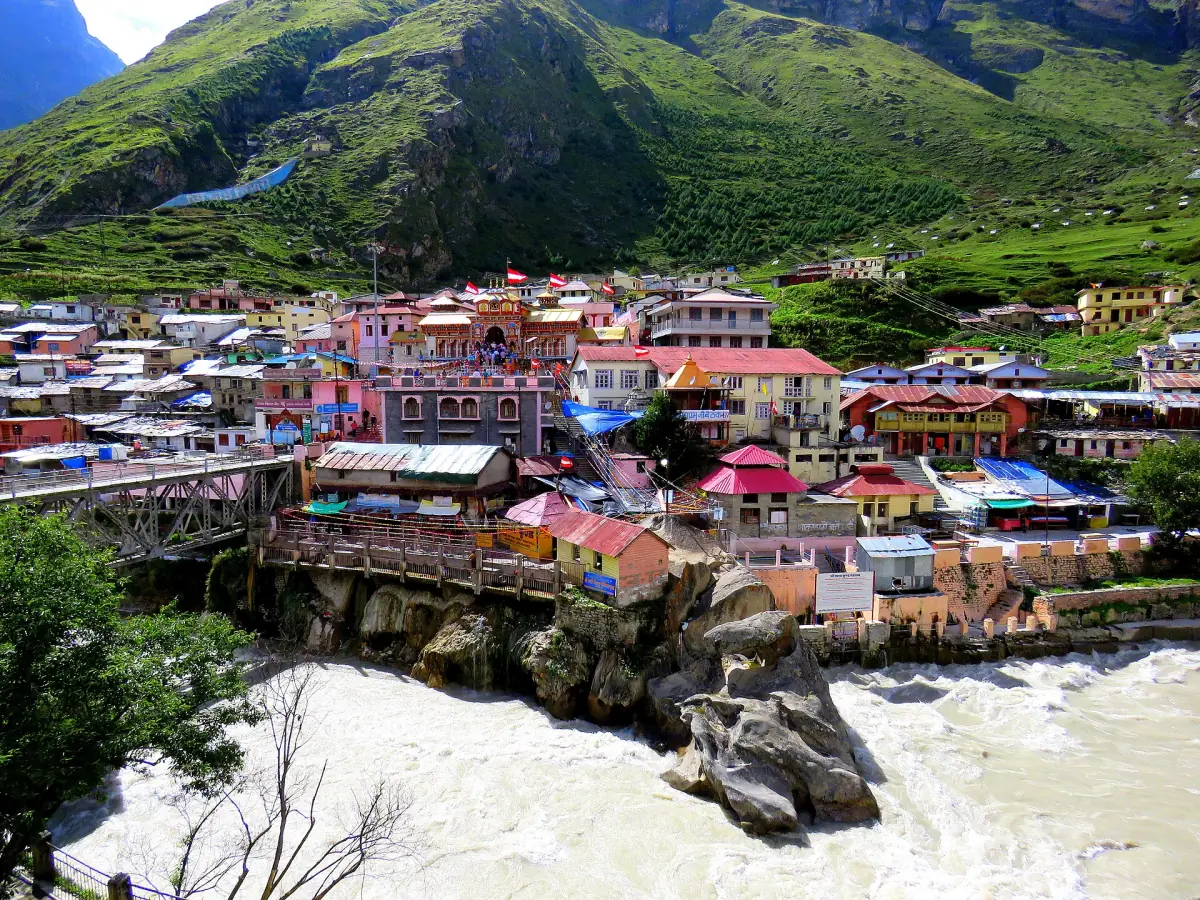
The temple stands at about 3,100 m, so the air is much colder and thinner than in the towns on the road. The usual travel season is May to October. That is also the time when the temple is open: in 2026 it opened on 23 April, and the winter closing was announced for 16 November.
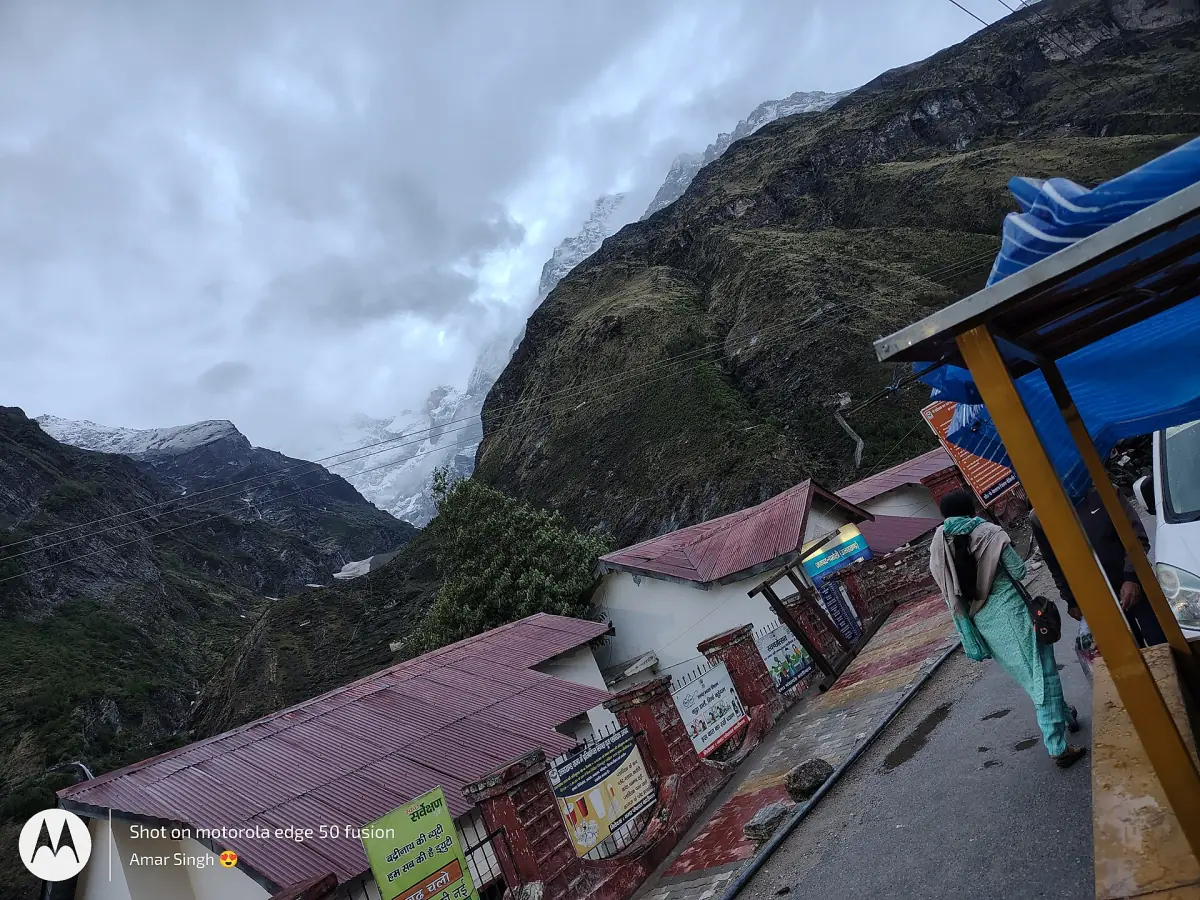
Weather in these mountains changes fast, and landslides are not only a monsoon problem. Plan with buffer days, and if you want the whole journey arranged around the weather, compare the Char Dham tours and packages.
Badrinath tours for every season
Yatra tours, day trips and helicopter flights, with live prices and availability.
Monthly weather on the road: Joshimath
Long-term averages for Joshimath, the town on the way to Badrinath. Mean daily highest and lowest temperature and monthly rain.
| Month | Highest °C | Lowest °C | Rain mm |
|---|---|---|---|
| January | 11.4 | 2.1 | 54.4 |
| February | 12.2 | 3.2 | 91.6 |
| March | 17.6 | 6.6 | 106.0 |
| April | 21.7 | 10.8 | 51.5 |
| May | 24.4 | 13.8 | 62.1 |
| June | 25.8 | 16.5 | 85.7 |
| July | 24.0 | 16.8 | 232.0 |
| August | 23.5 | 16.8 | 203.2 |
| September | 22.8 | 14.7 | 112.1 |
| October | 20.6 | 10.4 | 37.0 |
| November | 16.8 | 6.3 | 12.3 |
| December | 13.4 | 3.8 | 28.1 |
These are not temperatures at the temple. Badrinath lies much higher than Joshimath, so it is colder there in every month. Use the table for the road and for the rainy months, and pack for the cold.
Best time to visit by trip type
The seasons of the temple, the flowers and the snow do not overlap.
| Trip | Season | Weather note |
|---|---|---|
| Darshan at Badrinath | Late April to mid-November (2026) | Early and late weeks are colder, July and August are wettest |
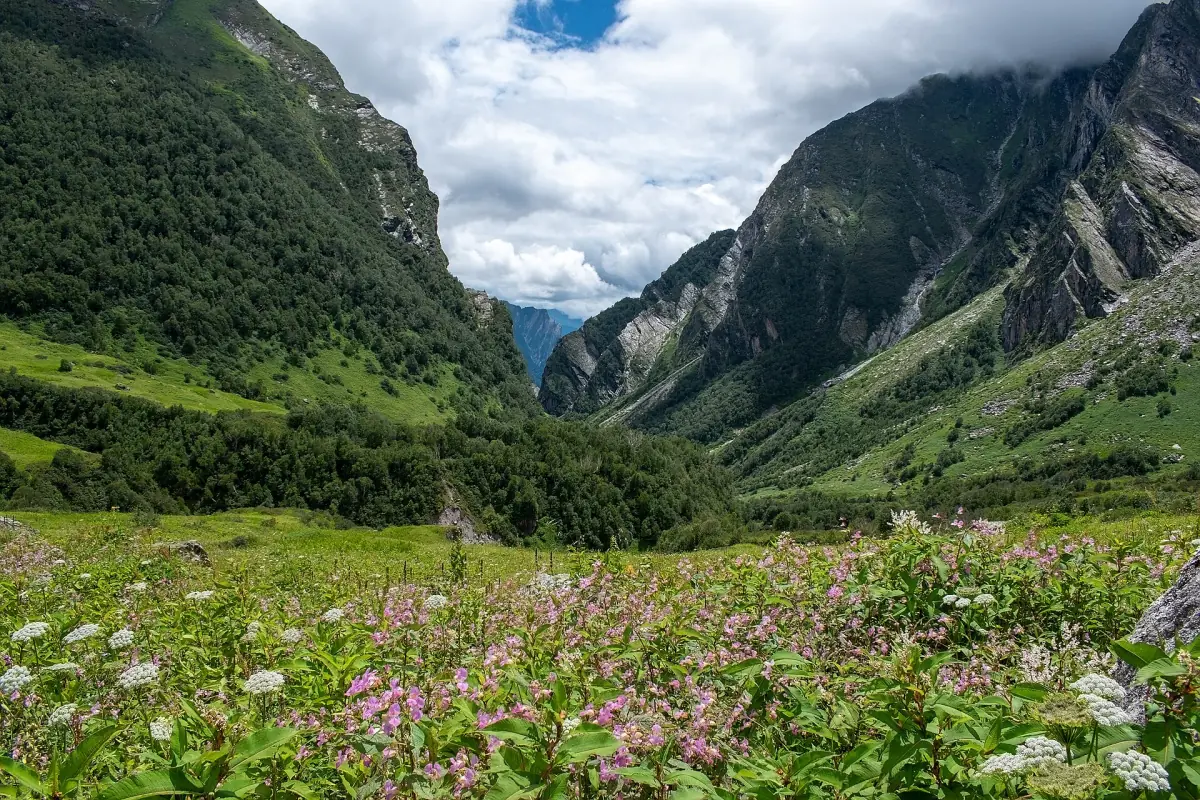
| Valley of Flowers | 1 June to 31 October | Bloom peaks mid-July to August, in the rain |
| Hemkund Sahib | Late May to early October | Season ends earlier than the temple |
| Skiing in Auli | January to March | Snow depends on the winter, the temple is closed |
For most pilgrims, May and June and the weeks before the winter closing balance access and rain well. If the flowers are your goal, accept the rain and go from mid-July. Skiing and darshan never happen in the same trip, because the temple is shut in winter.
Uttarakhand weather: rain, landslides and road closures
The road to Badrinath is called an all-weather road, but that does not mean it is open at all times. Heavy-rain alerts stopped the Char Dham yatra, Hemkund Sahib and trekking for two days at the end of September 2026. Landslides can close a section of the road.
Keep a spare day at the start and the end of your trip, check the forecast for the whole route and not only for Badrinath, and start driving early. For the road itself, read Rishikesh to Badrinath.
What to pack and how to adjust to the height
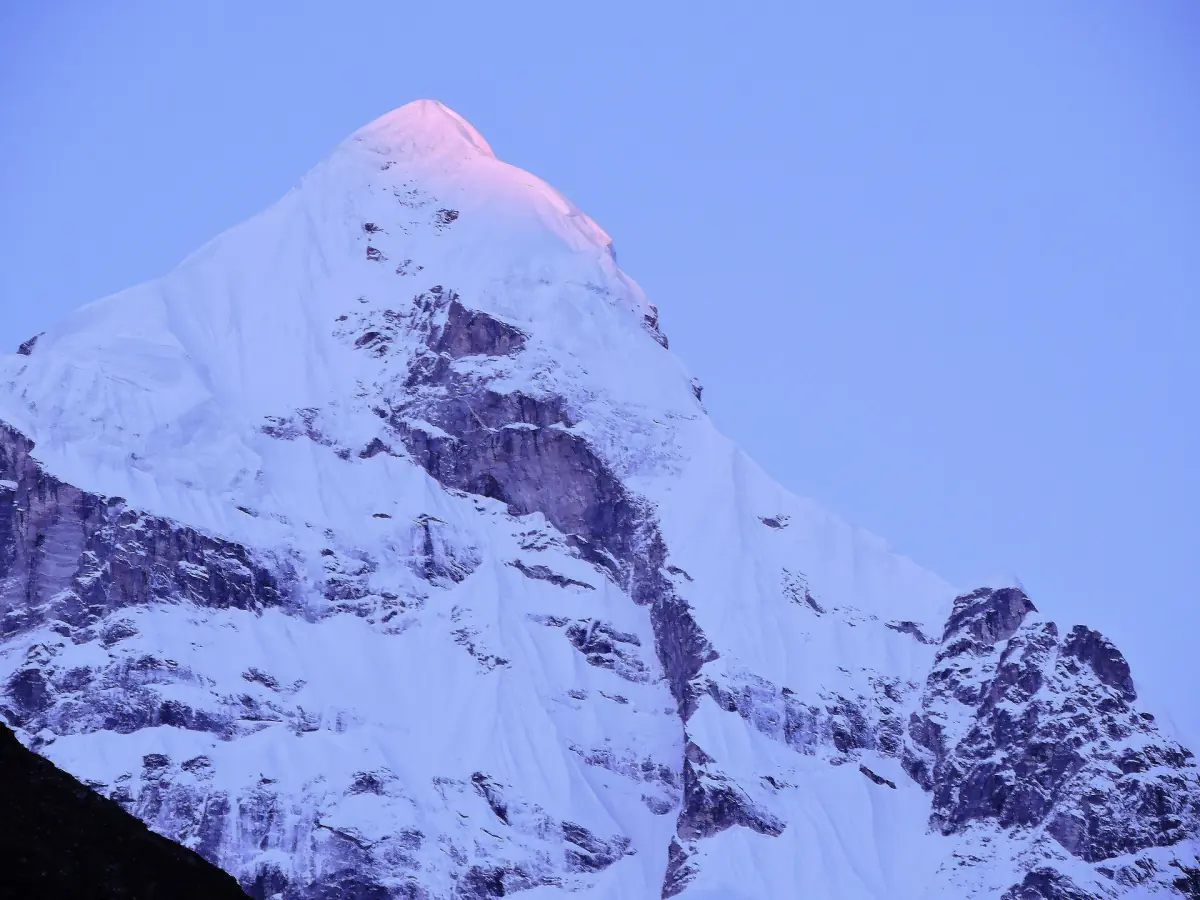
Cold and altitude matter more than the date.
Clothing
Woollen clothing is recommended. Bring warm layers, a hat and gloves, and rain protection for the road.
Altitude
Above 2,500 m, a sensible rise is about 300 to 500 m of sleeping height per day, with extra time to adjust. A helicopter flight does not remove the height, so rest on arrival. Headache, dizziness, nausea and breathlessness at rest are warning signs, so ask a doctor before you go and seek help if you get worse.
On the road
Carry a valid ID, your own prescribed medicines and water. No alcohol or tobacco, and no litter.
Plan the rest of your trip
Pages that depend on the season.
Badrinath weather: frequently asked questions
What is the best month to visit Badrinath?
That depends on the trip. For darshan, May, June and the weeks before the winter closing balance access and rain. For the flowers, mid-July to August is the bloom, in the rainy season.
Is Badrinath open in winter?
No. The temple closes for the winter, and in 2026 the closing was announced for 16 November. A closed temple is also no sign that hotels stay open, so plan winter trips to Auli instead. Even in the open season, plan for cold nights.
When is the monsoon in Uttarakhand?
The rain peaks in July and August on the road, with about 232 mm in July and 203 mm in August at Joshimath. September is still wet at about 112 mm.
Can the road to Badrinath close?
Yes. Heavy rain and landslides can close sections, and the yatra was paused for two days in late September 2026. An all-weather road is not a promise that it is open.
How cold is Badrinath?
It stands at about 3,100 m, so it is colder than the figures for Joshimath in the table above. Pack warm layers, a hat and gloves, whatever the month.
What should I pack for Badrinath?
Warm layers, a hat, gloves and rain protection for the road, whatever the month.