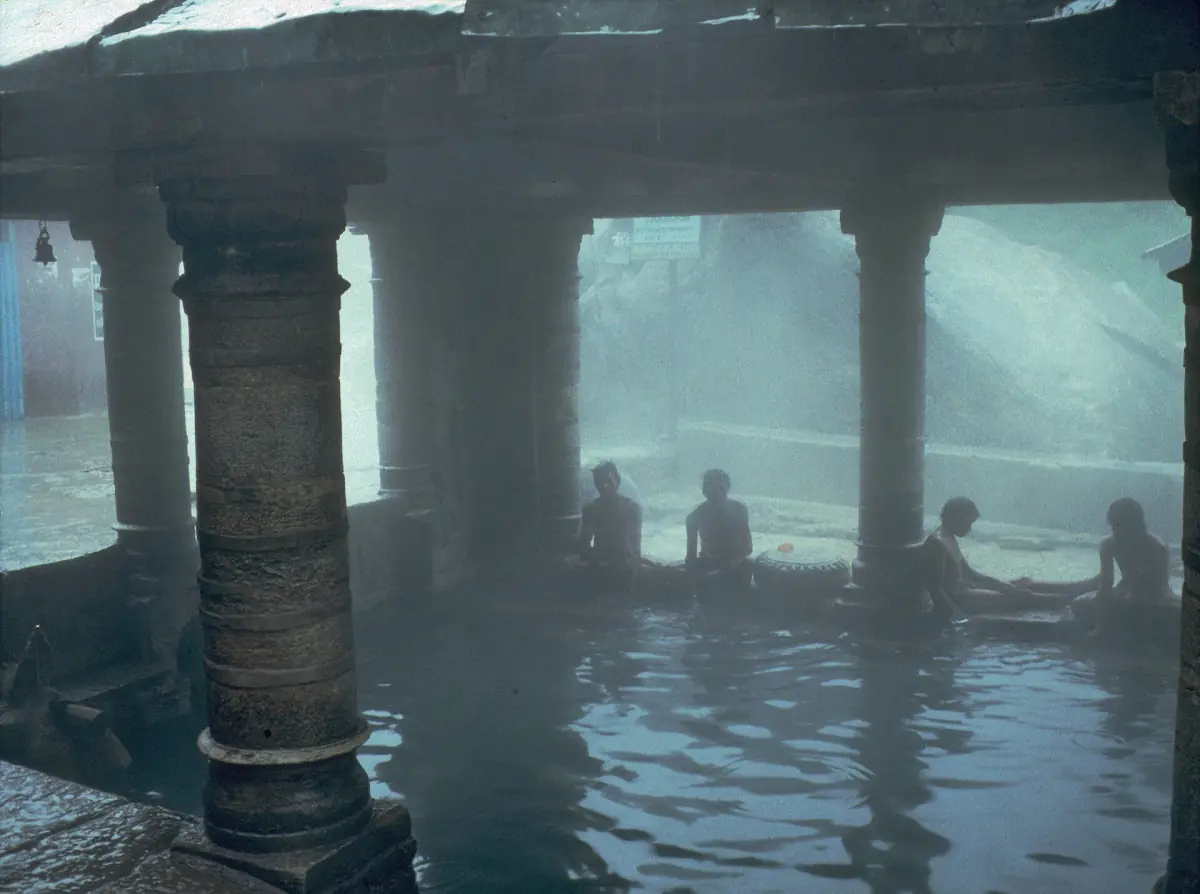
Tapt Kund: the hot spring at the temple
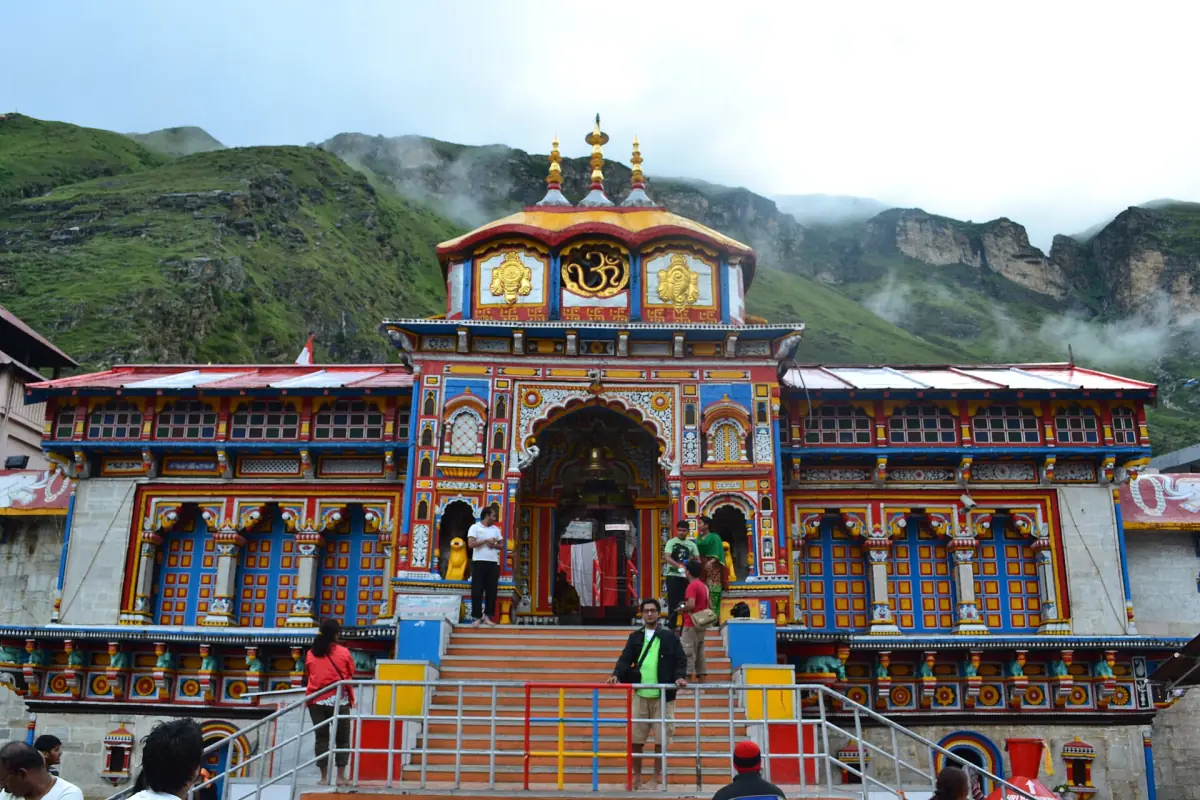
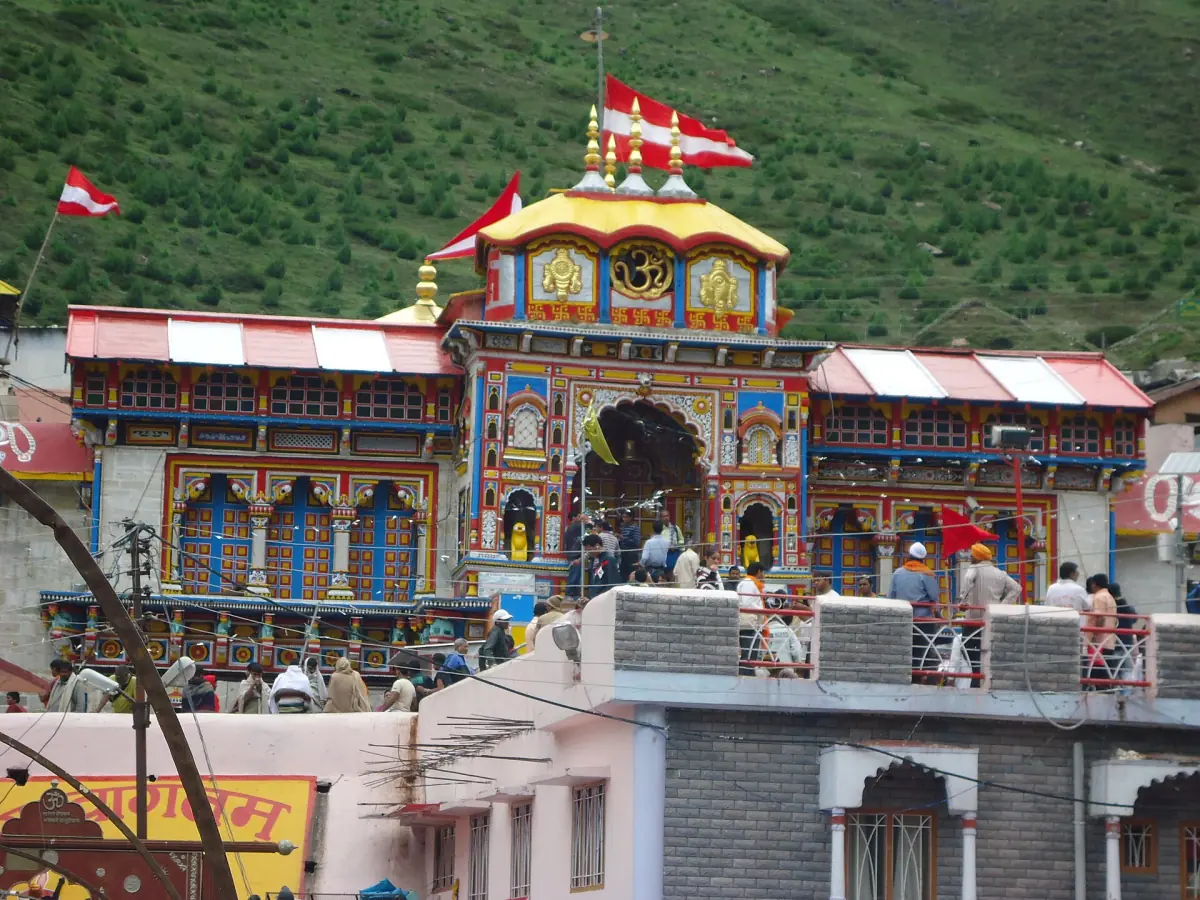
Tapt Kund is a natural hot spring beside the Badrinath temple, close to the Alaknanda. Pilgrims traditionally bathe here before darshan, and many treat the bath as the first step of the visit. For the believer it is a ritual cleansing, not a treatment.
Bathing times, any fee and the rules for children can change by season and by crowd. Ask at the site on the day, and follow what the staff say. The spring stands at about 3,100 m, where mornings are cold even in the pilgrimage season, so bring a dry change of warm clothes. If you want the rest of the trip organised, see the Badrinath tours and Char Dham packages.
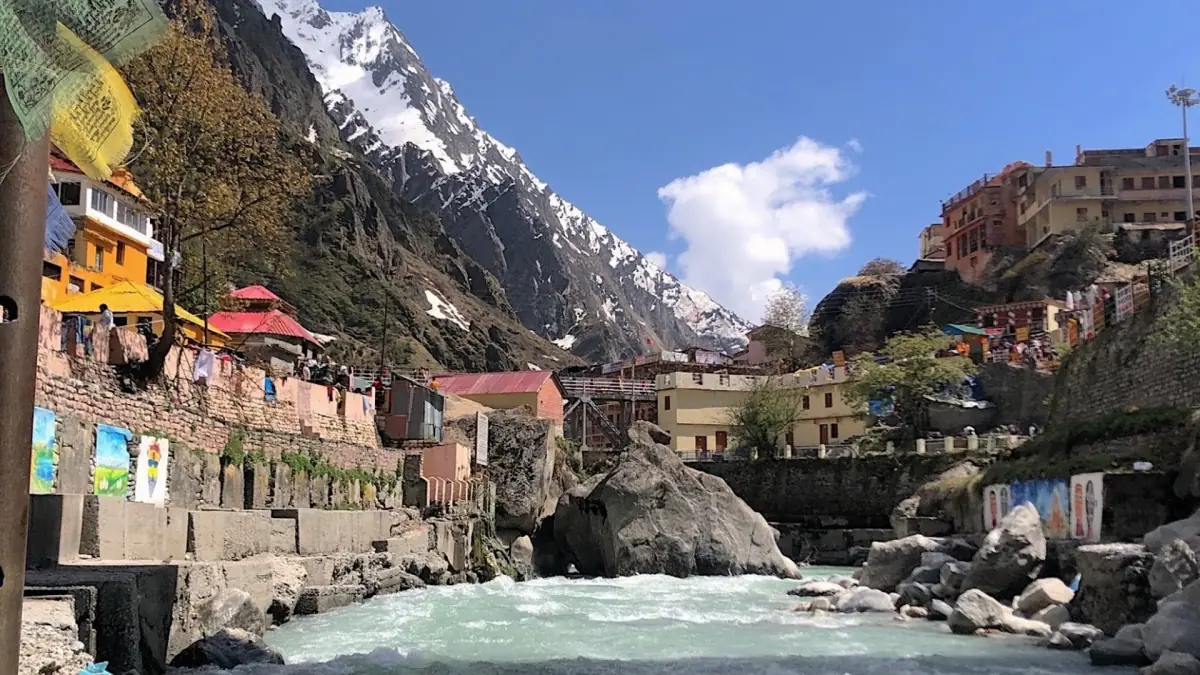
Badrinath tours and Char Dham trips
Guided Uttarakhand trips that include Badrinath, with live prices and availability.
Brahma Kapal: rites for the ancestors
Brahma Kapal lies on the bank of the Alaknanda near the temple. It is the place for ancestral rites, known as Shraddha. Pinda-Daan, the offering for the departed, is one of them. These rites are a matter of faith and family tradition. A priest carries them out. They are not a sightseeing stop.
There is no single fixed rate for the rites, so ask about the cost and what it includes before you begin. If you are only visiting, keep your distance, speak quietly and ask before you take any photograph near a ritual. Phones and cameras are not allowed within about 50 to 60 m of the temple itself, as the darshan page explains.
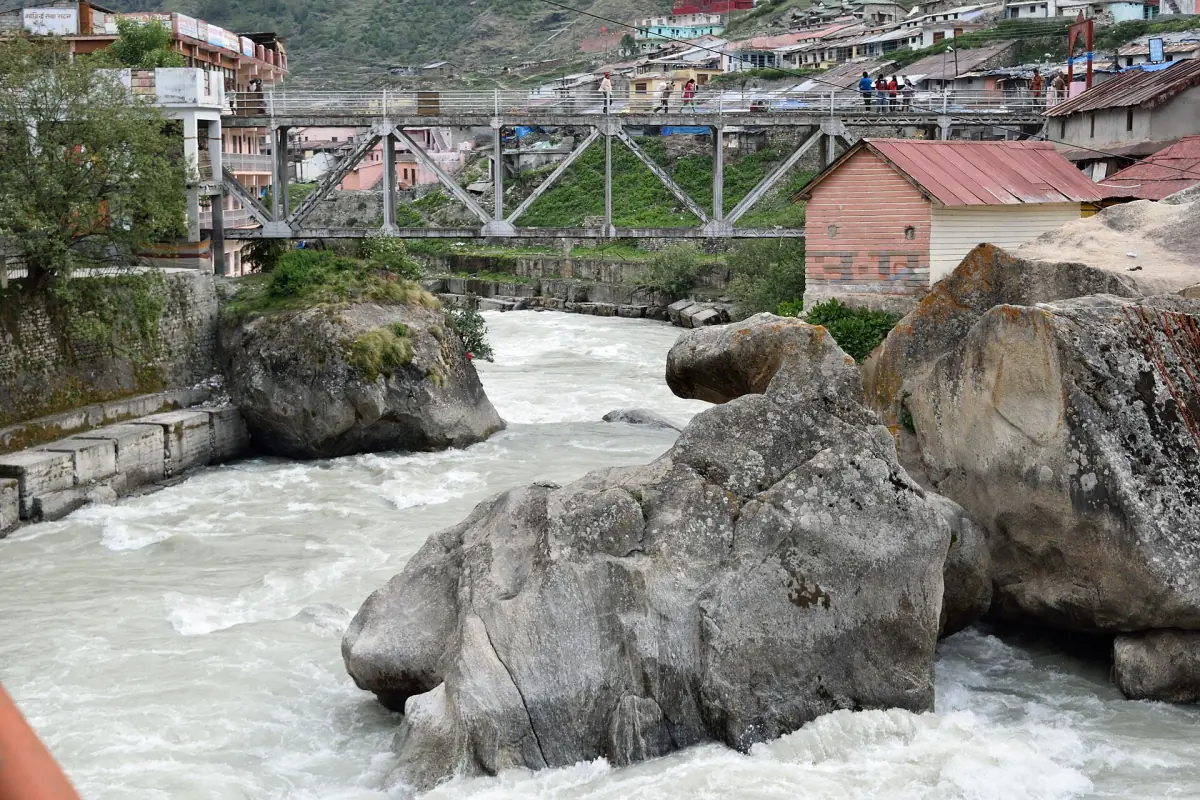
Charan Paduka and the Neelkanth view
Charan Paduka
Charan Paduka is a venerated rock with footprints that are attributed to Vishnu. The climb is 3 km and takes about 1.5 hours. At this height, take it slowly, carry water and turn back if you feel unwell. The path is a climb, not a stroll.
Neelkanth
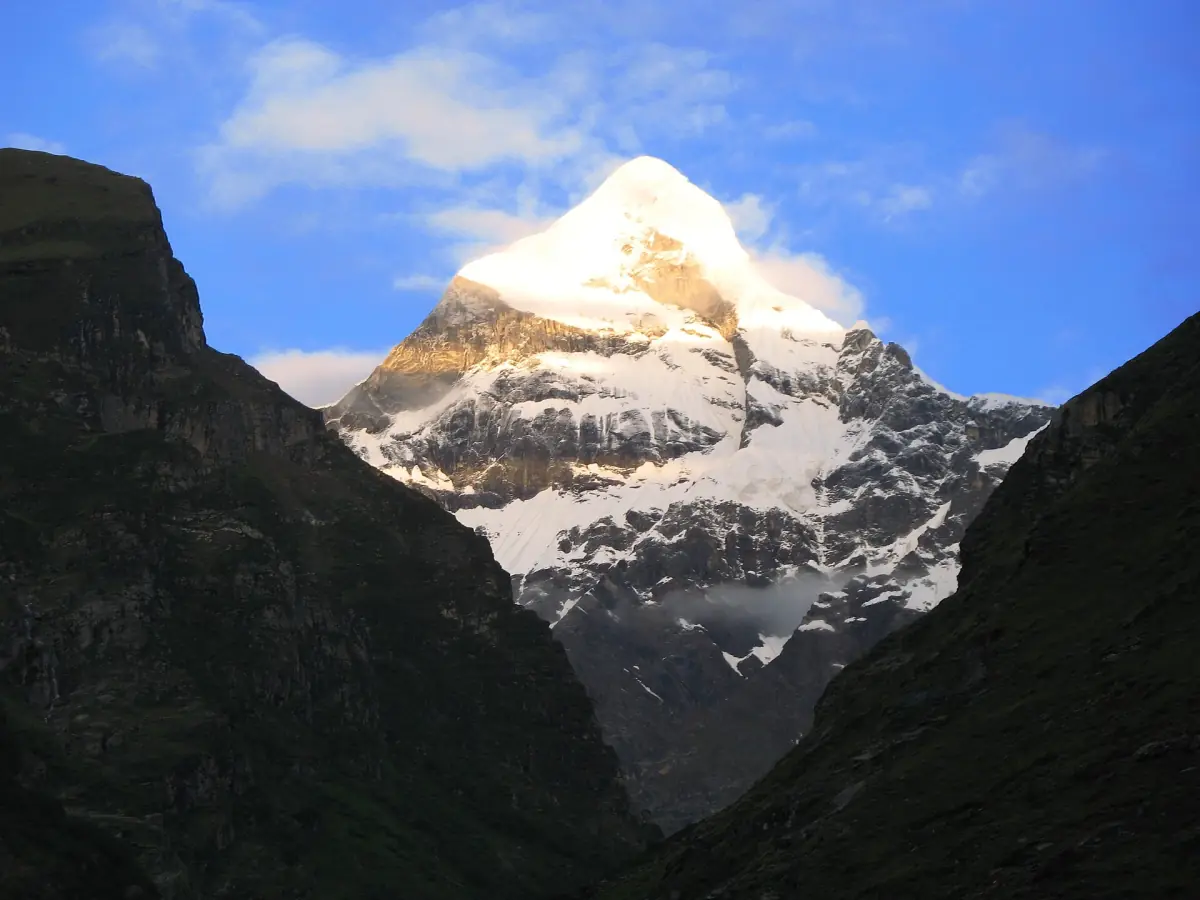
The Neelkanth is the snow peak that stands over the valley and gives Badrinath its backdrop. It is a landscape feature and not a simple summit walk, so do not plan to climb it. Enjoy it from the town, especially in the evening light.
The order of a visit
A typical morning begins with the bath at Tapt Kund, followed by darshan at the temple. Ancestral rites at Brahma Kapal are separate and are arranged on their own. Leave extra time on busy days, because queues and the cold slow everything down.
Respectful behaviour at the water
Simple rules that locals and pilgrims will expect.
Dress and manner
Dress modestly and keep your voice low. Warm woollen clothes are advised in any case.
Alcohol, tobacco and litter
The Yatra portal asks pilgrims to avoid alcohol and tobacco and to leave no rubbish. That applies to the spring, the river bank and the town.
Health and altitude
Hot water and cold air at 3,100 m are a change for the body. Do not bathe if you feel faint or have a headache, dizziness or nausea. Above 2,500 m the guidance is to gain only about 300 to 500 m of height a day.
Weather and best time →Continue your visit
Other pages for the days around the temple.
Planning your morning at the kund
Practical points for the bath and the walk around it.
Timing in the season
Plan the bath for the pilgrimage season, which runs from late April to November, because the temple is closed in winter. The cold is sharpest before sunrise and after dark, so give yourself time to dry and dress warmly. See opening and closing dates for the yearly schedule.
What to bring
Bring a valid ID, your registration letter, a towel, dry warm clothes and any medicine prescribed to you. Leave valuables where you stay. Phones and cameras are not allowed near the temple, so a small bag for your belongings helps.
Along the river
The Alaknanda runs fast and cold beside the town. Keep to the steps and ghats and do not enter the river itself. Children and older family members should stay close to an adult on the stone.
Where to stay
Staying in the town makes an early bath and darshan easier, because you avoid the road in the dark. Read the Badrinath hotels page for the kinds of stay near the temple.
Tapt Kund and Brahma Kapal: frequently asked questions
What is Tapt Kund?
It is a natural hot spring beside the Badrinath temple. Pilgrims traditionally bathe in it before darshan as a ritual cleansing.
Does the water heal illnesses?
No. Treat the bath as a religious act, not as a treatment, and see a doctor for any health problem.
Do I have to bathe before darshan?
No. It is a tradition that many pilgrims follow, not a condition for visiting the temple. Ask at the site if you are unsure about the current practice.
What is Brahma Kapal?
It is a place on the Alaknanda bank where families perform ancestral rites, including Pinda-Daan. A priest guides the ritual.
How long is the walk to Charan Paduka?
The climb is 3 km and takes about 1.5 hours. At altitude, allow more time and rest as often as you need.
What should I bring to the kund?
A valid ID, your registration letter, a towel, dry warm clothes and any medicine prescribed to you. Leave valuables where you stay.