Badrinath Temple history in brief
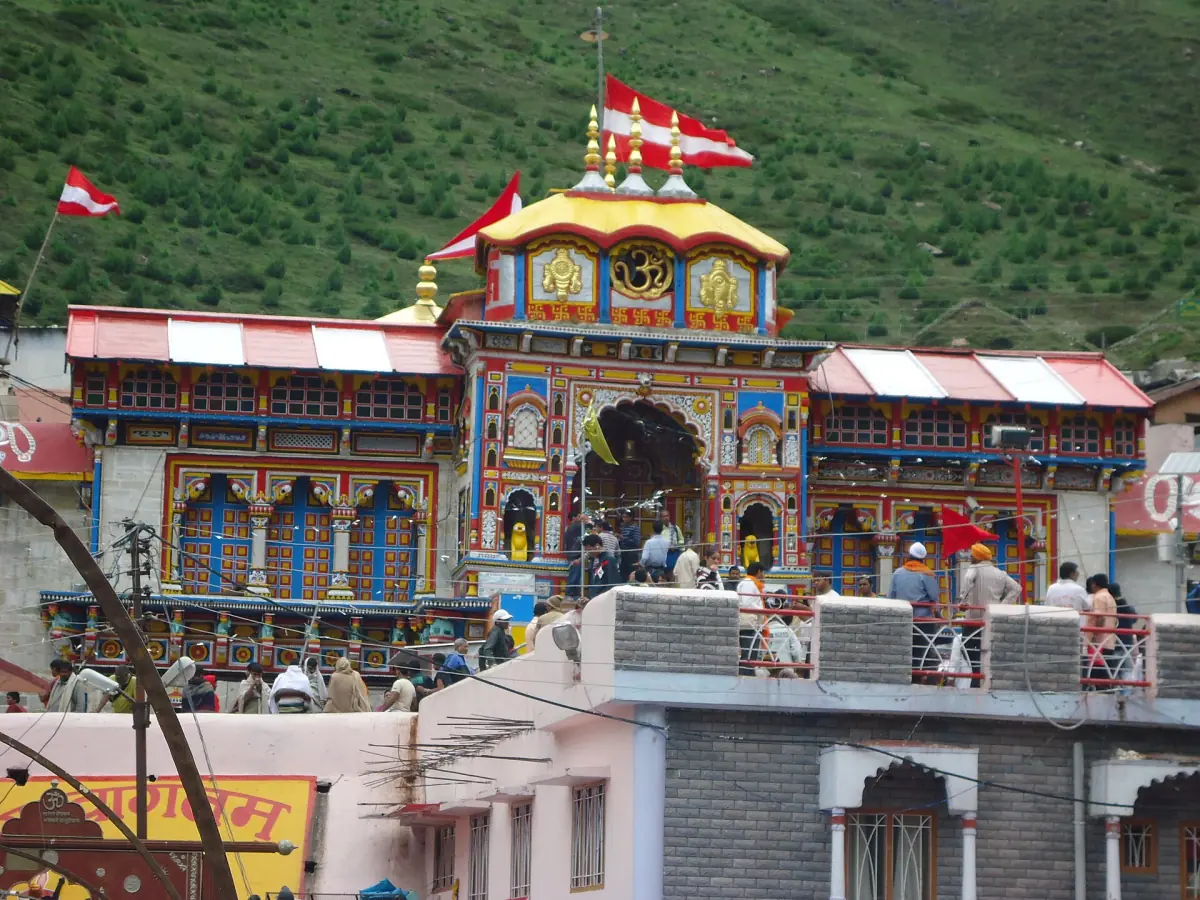
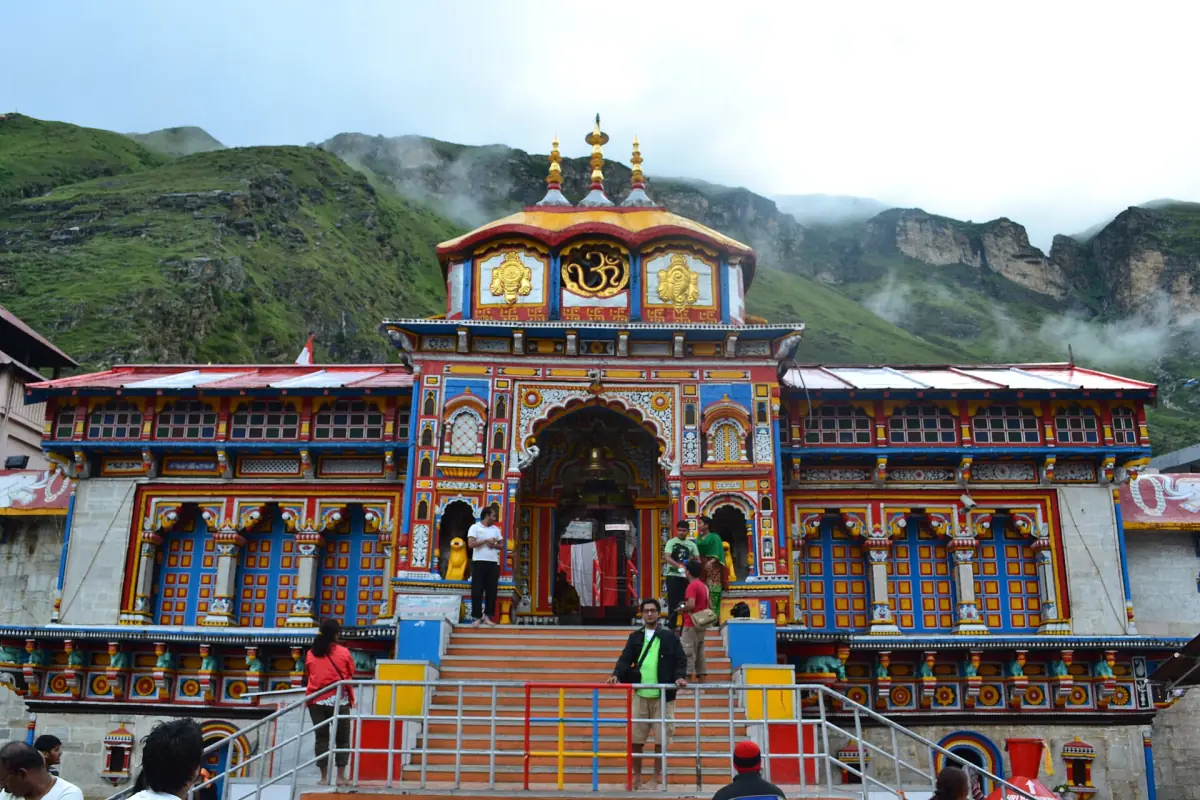
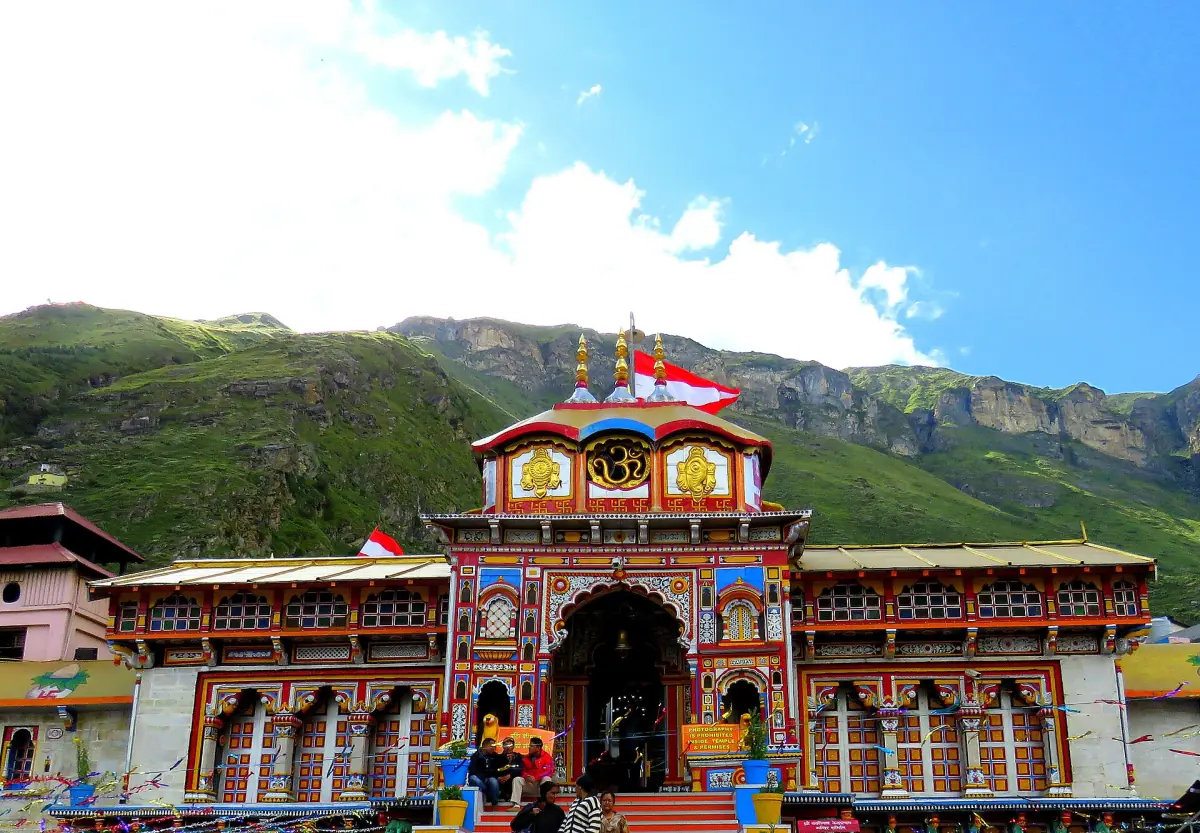
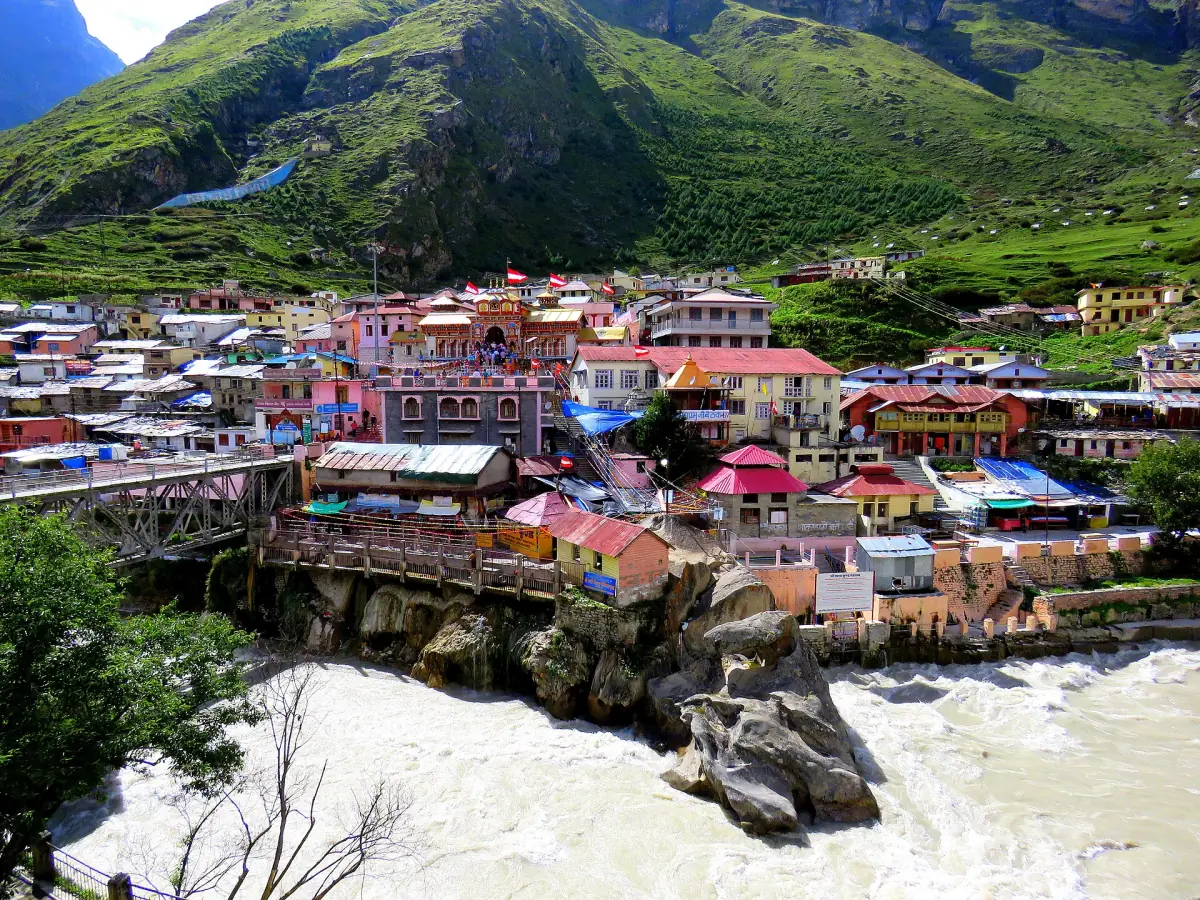
Badrinath, also called Badri Vishal or Badrinarayan, is a Vishnu shrine in Chamoli, Uttarakhand, on the Alaknanda at about 3,100 m. Its gate is the Singhdwar. Inside, the black image of Badrinarayan sits in a meditation posture. The name comes from Badari, a berry-bearing plant, and the temple is closely tied to it.
Much of the story is told through tradition. Tradition says the image is made of Shaligram stone and that Adi Shankaracharya found it again and installed it. Those are accounts of faith, not archaeological findings. If you want to see the temple after reading, the Badrinath tours and Char Dham packages show how to combine it with the rest of the Yatra.
Badrinath tours and Char Dham trips
Guided trips from Rishikesh and Haridwar that include Badrinath, with live prices and availability.
Adi Shankaracharya and the 8th century
Where the traditional date comes from.
Tradition places the reinstallation of the image by Adi Shankaracharya in the 8th century. That is the date of tradition. It says when worship at this spot is understood to have been renewed, not how old each part of the building you see is. No exact founding year is fixed.
For a visitor, the useful point is simple: the worship is old, the structure has changed over time, and the dates you will hear are traditional. Treat them as part of the pilgrimage story rather than as a building survey.
The story of Badrinath: Vishnu, Lakshmi and the Badri tree
A widely told story is the Narayana legend. Vishnu meditates in the high Himalaya. To protect him from the cold and the sun, Lakshmi takes the form of a Badri tree and shelters him. The place is therefore called Badri, and the lord who meditates here is Badri Vishal.
This is a religious story and is told as one. It explains the name and the meditating posture of the image, and it gives the temple its character: a place of stillness at the end of a long road. The versions differ in detail.
Lord Vishnu and the other Char Dham
Badrinath is the Vishnu shrine of the Char Dham, the four sites of Uttarakhand. Kedarnath, by contrast, is a Shiva shrine and has its own place on the route. See the Char Dham Yatra page for the traditional order and what each stop means.
The Rawal, the committee and the winter
Who looks after the temple, and what happens when it closes.
The Rawal of Badrinath
The chief priest, the Rawal, comes by tradition from the Namboodiri community of Malabar in the south, linked to Kerala. The Rawal Badrinath office is part of the temple's identity. The office changes hands over time.
The temple committee since 1939
The Shri Badarinath Kedarnath Temple Committee, known as BKTC, rests on a law of 1939. Today it runs the temple and its services. That is a different arrangement from the early days, when the Rawal alone was in charge.
Winter at Yogdhyan Badri
When the temple closes for the winter, Uddhav and Kuber are worshipped at Yogdhyan Badri in Pandukeshwar. The yearly dates for the closing rituals are on the opening dates page.
The temple today
About 1.7 to 1.8 million visits were counted in 2025, so the old shrine is a busy one in season. For the practical side, read the darshan page.
Keep reading
The places and rituals around the temple.
How to read the dates and the legends
A short guide for visitors.
Tradition and record
Dates such as the 8th century belong to tradition. The year 1939, the law behind the committee, is a matter of record. Keep the two apart when you read or tell the story, and say which one you mean.
What you can see
The Singhdwar gate and the black image of Badrinarayan are the parts that tradition places at the centre of worship. Do not expect a labelled timeline on site, and ask a priest or guide how the temple understands its own past.
Related places
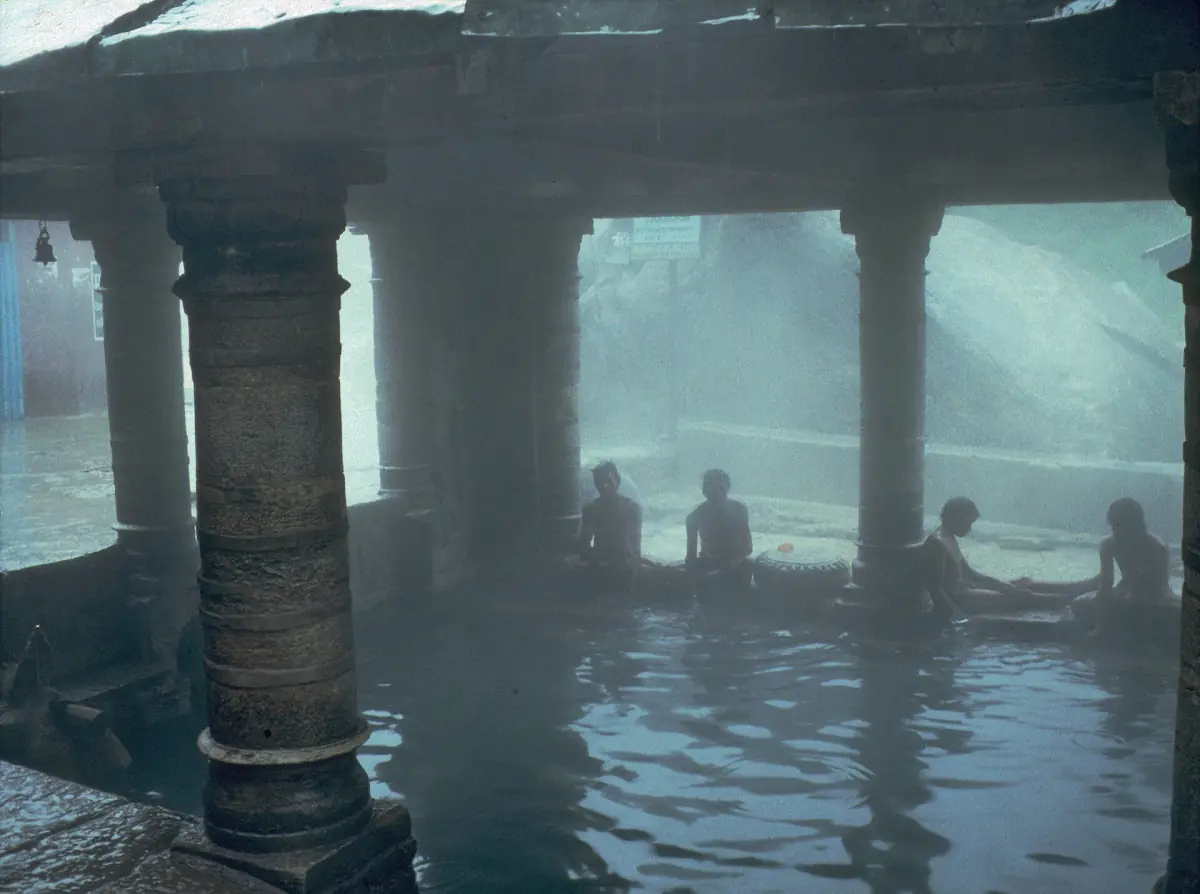
The hot spring and the river bank have their own rituals on the Tapt Kund page. The cave of Vyas and the bridge at Mana belong to the same religious landscape, and you will find them on the Mana village page.
Badrinath temple history: frequently asked questions
Who founded the Badrinath temple?
Tradition names Adi Shankaracharya, who is said to have reinstalled the image in the 8th century. No exact founding year is fixed.
Why is the temple called Badrinath?
Badari is a berry-bearing plant tied to the place, and the legend says Lakshmi sheltered Vishnu as a Badri tree. Nath means lord, so Badrinath is the lord of Badri.
Is Badrinath older than the Char Dham?
The worship is very old, but the dates belong to tradition. Check the Char Dham page for how the four sites are linked today.
Who is the Rawal?
The Rawal is the chief priest and follows the Namboodiri tradition from Malabar in south India, linked to Kerala.
Where is the deity in winter?
Uddhav and Kuber are worshipped at Yogdhyan Badri in Pandukeshwar while the temple is closed.
Who runs the temple today?
The Shri Badarinath Kedarnath Temple Committee (BKTC) runs the temple. Its basis is a law of 1939.